

OUR SERVICES
TREATMENT SERVICES
At Evolve Sports Chiropractic, we implement a holistic approach to your treatment and care plan. Our services include:
Graston Technique
Pain Management
Physical Rehabilitation Techniques
Kinesiotaping
Nutritional advice
Chiropractic Adjustments
DRX 9000 Spinal Decompression (Cervical/Lumbar)
Active Release Technique(ART)
Class IV Laser Therapy
Electromedicine Sanexas RST
Focused Shockwave therapy
We Specialize in Treating A Wide Range of Injuries
Sciatica
Herniated and Bulging Discs
Chronic neck and back pain
Facet Syndrome
Degenerative disc disease(DJD)
Rotator Cuff Pain
Impingement Syndrome
Nerve Entrapments
Joint Alignment
Joint Pain
Plantar Fasciitis
Sports Injuries
Whiplash
Carpal Tunnel Syndrome
Neck Pain
Stiff Neck
Car Accident Injuries
Arthritis
Frozen Shoulder
Scar Pain
Radiating Arm and Leg Pain
Hip Pain
Sciatica
Jumper's Knee
Bursitis
Headaches
Back Pain
Chronic Pain
Overuse Injuries
Tendonitis, Tendinosis
Sprains/Strains
Epicondylitis
CTI: Cumulative Trauma Injury
Performance Care
Performance care is a soft tissue treatment to improve an athlete’s performance in his or her chosen sport. Difficult training regimens, repetitive motions (swimming, running, cycling, MMA) and overworked muscles all place a great deal of stress on an athlete’s body.
The Problem: Soft Tissue Damage
Repetitive motion, constant tension, and pressure often result in the inflammation and swelling of soft tissue. The body responds to this inflammation by laying down scar tissue (cross fibers across the tissue) in an attempt to stabilize the affected area.
Even though physical training factors can be modified, the biomechanical restrictions that have been created in the athlete’s body are seldom addressed. These factors lead to future injuries and inhibit the athlete from reaching his or her full performance potential.
The Solution: Performance Care
Effective treatment of any soft tissue injury (ligaments, muscles, blood vessels, fascia and nerves) requires an alteration in tissue structure to break up the restrictive cross-fiber adhesions and restore normal function to the affected soft tissue areas.
Before treatment takes place, an extremely specific examination and diagnosis must be performed. It is important to look past the initial point of pain to identify other structures that are involved in the kinetic chain.
This process treats the root cause of the injury, substantially decreases healing time and improves an athlete's performance.

GRASTON TECHNIQUE
The Graston Technique incorporates a patented form of instrument-assisted soft tissue mobilization that enables clinicians to effectively detect and treat scar tissue and restrictions that affect normal function. This technique:
Separates and breaks down collagen cross-links
Splays and stretches connective tissue and muscle fibers
Increases skin temperature
Facilitates reflex changes in the chronic muscle holding pattern
Alters spinal reflux activity (facilitated segment)
Increases the rate and amount of blood flow to and from the area
Increases cellular activity in the region, including fibroblasts and mast cells
Increases histamine response secondary to mast cell activity

ACTIVE RELEASE TECHNIQUE (A.R.T.)
The Active Release Technique is a state-of-the-art soft tissue system that treats problems with muscles, tendons, ligaments, fascia and nerves. ART refers to the manual massage technique for stretching the connective tissue and releasing adhesions between it and muscles,tendons, nerves, membranes and bones. Injuries, stress, trauma, overuse and poor posture can cause these restrictions. Every ART session is a combination of examination and treatment.
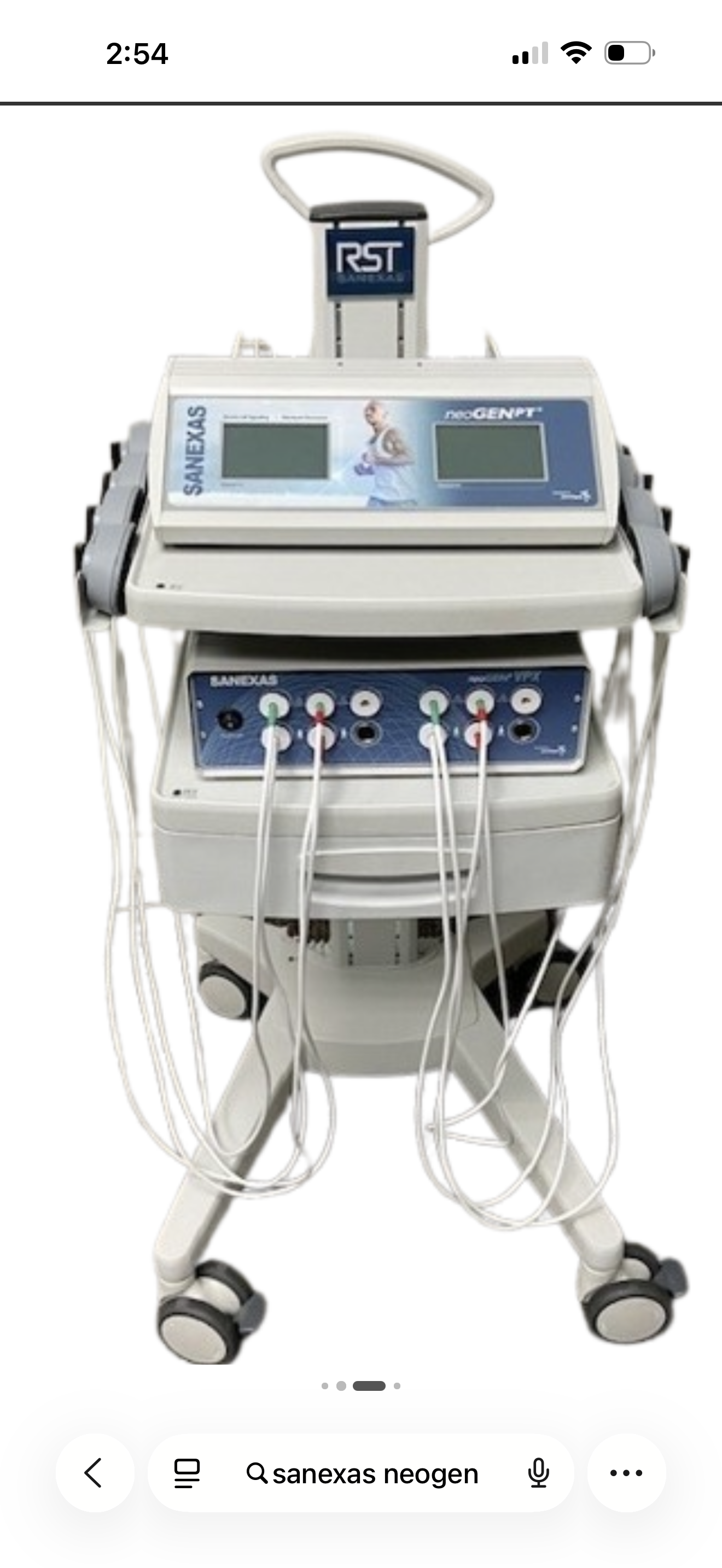
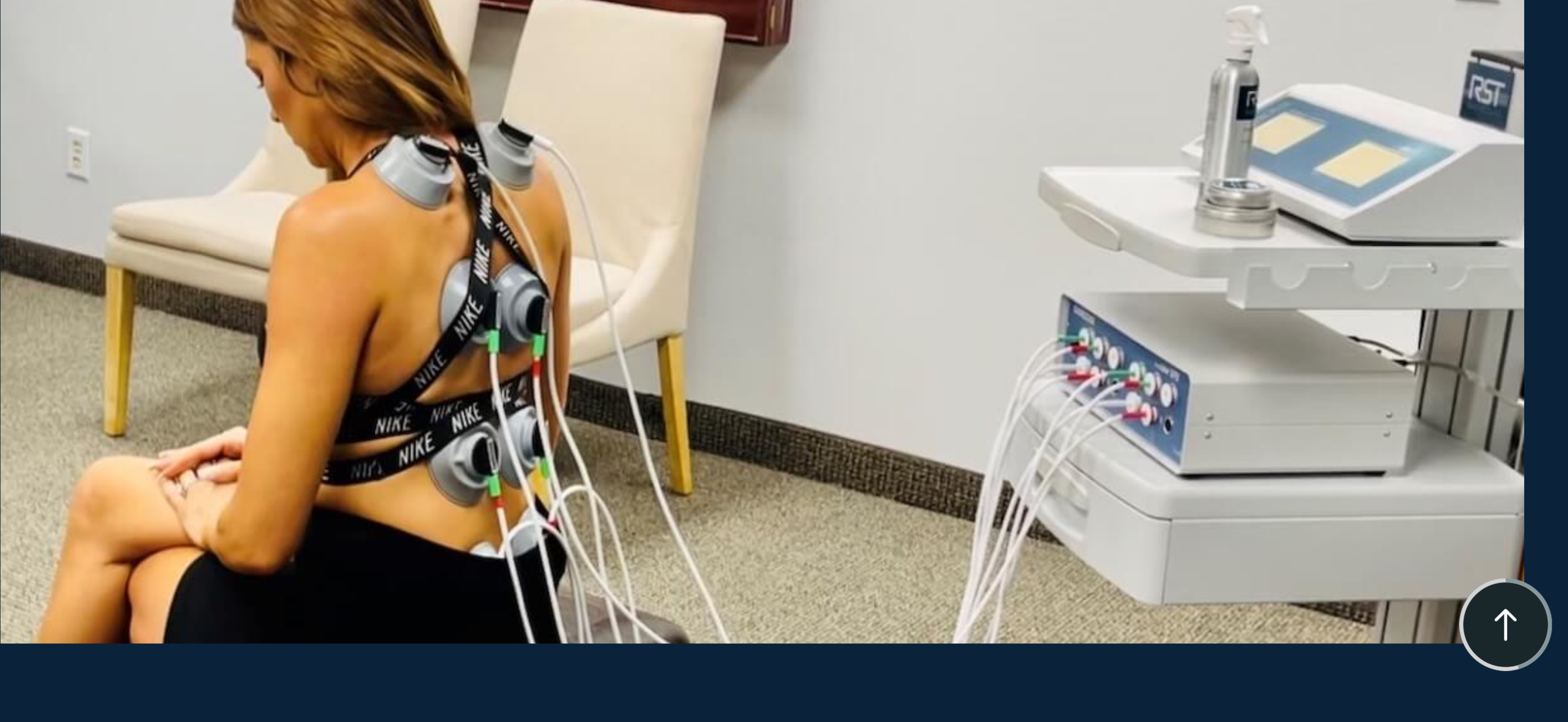
Sanexas Neogen electric cell signaling therapy
The SANEXAS neoGEN is used to stimulate peripheral nerves for the purpose of providing pain relief, and to stimulate motor nerves for the purpose of providing muscle re-education.
The device is FDA-cleared for specific indications, including:
Symptomatic relief of chronic, intractable pain
Adjunctive treatment of post-traumatic pain
Adjunctive treatment of post-surgical pain
Neuromuscular re-education
Relief of muscle spasms
Prevention or slowing of disuse muscle atrophy
Maintaining or improving range of motion
Increasing local blood circulation
Immediate post-surgical calf muscle stimulation to help prevent deep vein thrombosis (phlebothrombosis)
Relaxation of muscles spasms
Prevention or retardation of tissue atrophy
Increasing local blood circulation

N0N SURGICAL SPINAL DECOMPRESSION DRX 9000
The DRX9000 is a computerized non-surgical spinal decompression system designed to gently apply traction to the lumbar spine. The goal is to reduce pressure on spinal discs and nerve roots, which may help relieve symptoms from conditions such as:
Herniated or bulging lumbar discs
Sciatica (leg pain from nerve irritation)
Degenerative disc disease
Some cases of chronic low back pain
A typical treatment plan involves about 20 sessions over 6 weeks, with each session lasting approximately 30–45 minutes.
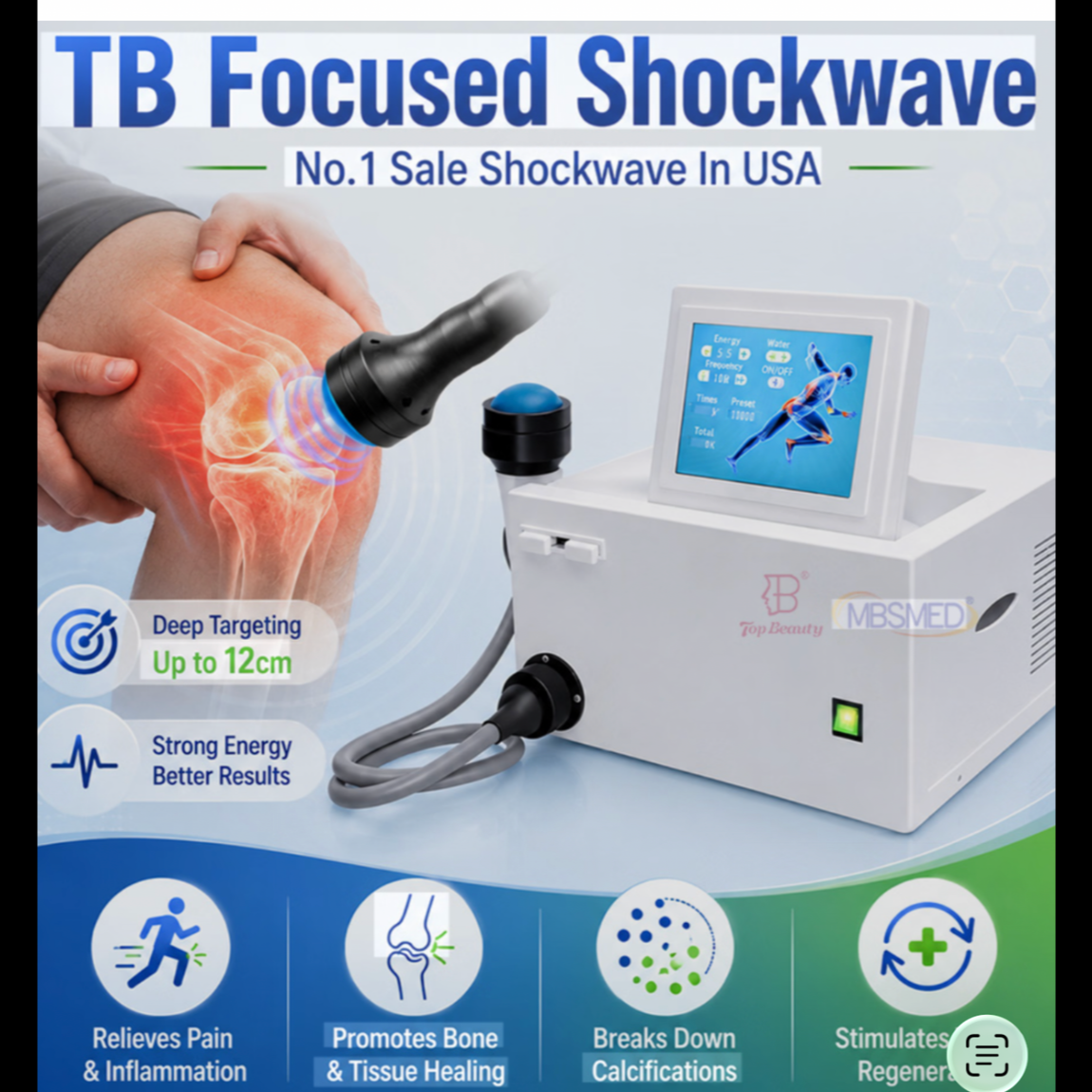
FOCUSED ELECTROHYDRAULIC SHOCKWAVE THERAPY
Focused electrohydraulic shockwave therapy (Focused ESWT) is one of the most powerful forms of extracorporeal shockwave therapy. It generates a true shockwave using an electrical spark in water, which is then focused by a reflector onto a specific point inside the body.
Conditions with the best evidence
Focused ESWT has the strongest clinical evidence for:
Chronic plantar fasciitis
Calcific tendinitis of the shoulder
Tennis elbow (lateral epicondylitis)
Achilles tendinopathy
Patellar tendinopathy
Greater trochanteric pain syndrome (some patients)
Selected delayed fracture healing or nonunion
How it may work
The treatment is thought to:
Stimulate tissue repair
Promote new blood vessel formation (angiogenesis)
Reduce pain signaling
Break up calcium deposits in calcific tendinitis
Encourage remodeling of damaged tendon tissue
The exact biological mechanisms are still being studied.
What treatment feels like
Sessions typically last 10–20 minutes.
Many people receive 3–6 treatments, usually one week apart.
Higher-energy focused treatments can be uncomfortable. Some clinics use local anesthesia for certain indications, although many perform treatment without it.
Risks and side effects
Most side effects are mild and temporary:
Soreness
Bruising
Redness
Mild swelling
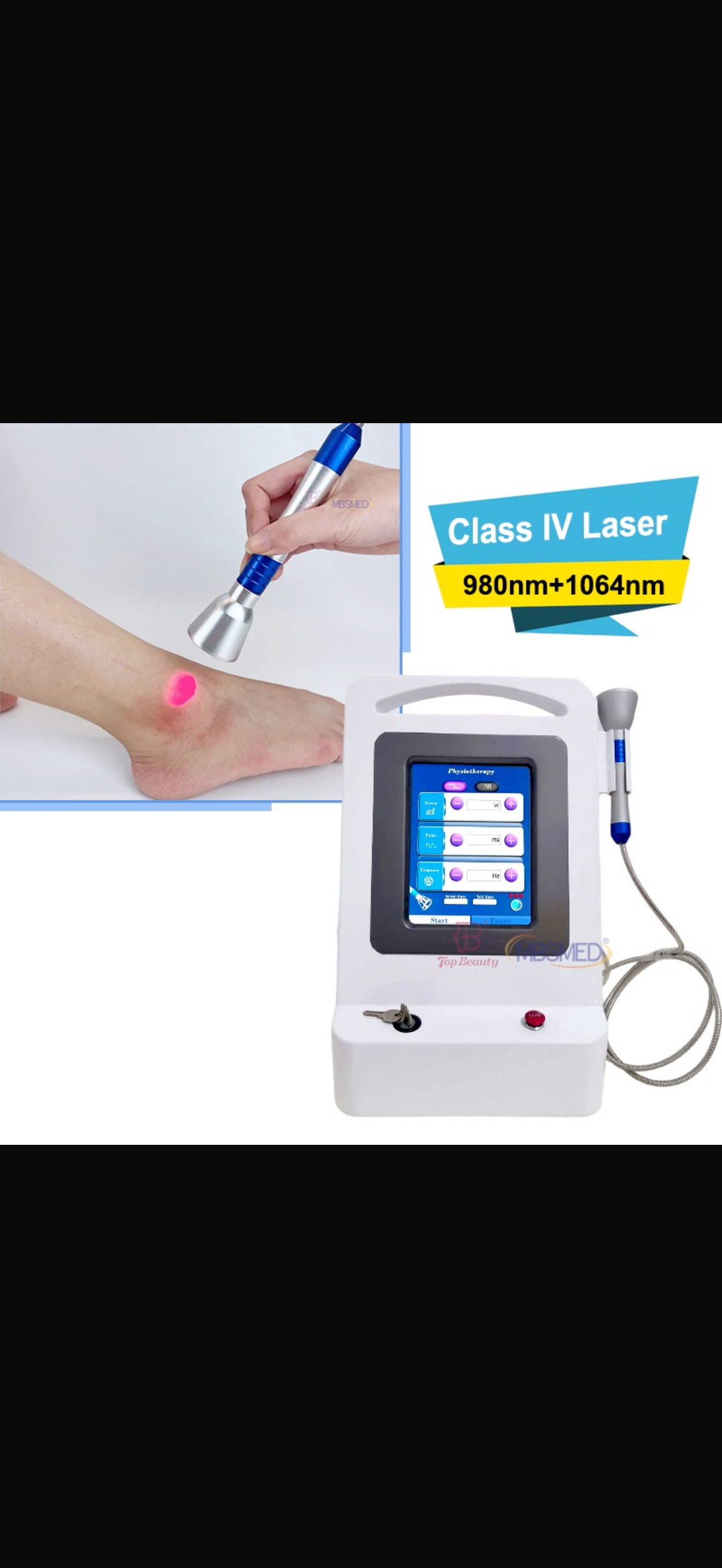
Class iv laser therapy
Class IV laser therapy (also called high-power laser therapy or Class 4 laser therapy) is a treatment that uses higher-powered therapeutic lasers to deliver light energy deep into tissues. It is commonly offered by physical therapists, chiropractors, sports medicine clinics, and some pain management practices.
What it's used for
It may be used to help manage:
Muscle strains and sprains
Tendon injuries (such as tennis elbow or Achilles tendinopathy)
Joint pain, including some cases of arthritis
Neck and back pain
Plantar fasciitis
Sports injuries
Recovery after some surgeries (when appropriate)
How it works
The laser emits specific wavelengths of light that penetrate skin and underlying tissues. The proposed effects include:
Reducing inflammation
Increasing local blood flow
Stimulating cellular energy production (through mitochondria)
Modulating pain signals
Supporting tissue repair
